
Let’s continue this look at wellness from the previous post, where we talked about physical health and tips for all of us to be a better version ourselves in this life. If you’ve not read that one, I’d suggest checking it out here first: What is Wellness and How can I Get it?
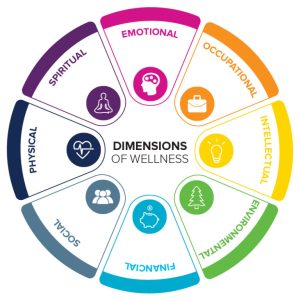
Mental health – our emotional, psychological and social wellness is often one of the most neglected parts of our lives. Most times it’s inadvertent though, with work stress or stress due to the need to find work, family responsibilities, health concerns, and other day-to-day stressors piling up. One key thought I’d like to add today is Resilience. How can we be resilient despite life happening to us? My family has been dealing with health challenges in these last few months and it has truly helped me think about what a good quality of life is, despite our situation. I know it doesn’t have to be perfect or just like things were before. So how can we bounce back and live our own version of a good quality of life despite [you fill in the blanks here].
Here are tips for each area that I’m working on to build mental resilience despite life’s challenges.
Emotional Health
- Practicing Self-Compassion: Be kind to yourself especially when things go wrong. Self-compassion helps you recover from setbacks by reducing harsh self-criticism. It’s easy to think, “if only I had done/not done … this wouldn’t have happened”. I’ve found that doing my best, focusing on what I could control, praying about what I cannot, and trying hard to learn from a mistake works for me.
- Express Your Emotions: Many of us bottle-up our feelings, and I’ll be the first to raise my hand here since I’m somewhat introverted. For the introverted group, journaling is a really good way to express emotions. Added to this, it’s always good to talk to someone you trust. What about creative outlets like art or music? Note – nothing was said about talent here, so don’t stress over whether you’re any good or not! Expressing emotions in healthy ways will prevent them from building up and becoming overwhelming.
- Set Boundaries: Learn to say “no” to activities or demands that drain your energy or cause even more stress than you’re already facing. Emotional health thrives when you protect your time and energy for things that matter most. I think the older I get, the easier this has become!

Psychological Health
- Practice Mindfulness: Engage in daily mindfulness activities. Meditation, deep breathing, or simply focusing on the present moment of peace can help. Mindfulness reduces anxiety and increases focus, helping you cope better with stress. Here is a previous post on the Top Mindfulness Techniques to Reduce Stress you should see for some helpful tips.
- Challenge Negative Thoughts: When negative thoughts arise, pause and question them. We all have these from time to time, so ask yourself if your thoughts are rational/grounded in fact or if you’re being overly critical. Reframing negative thoughts in a way that can help you promotes a healthier mindset.
- Set Realistic Goals: Break big tasks into smaller, manageable steps. Achieving small goals will indeed boost your confidence, give a feeling of progress, and help prevent you from feeling overwhelmed.

Social Health
- Prioritize Meaningful Connections: Foster relationships with people who uplift and support you. Since we have different personality types, you may be totally fine with one good friend, who lives in another state, but when you connect it’s like you saw each other yesterday, you can tell this person anything and they’ll always have your back. Whether it’s one good friend or a big circle of friends and family, strong social ties no doubt help us to handle stress and provide emotional outlets when life gets tough.
- Communicate Openly: Practice active listening and be open in your conversations. We know that communication builds stronger relationships and reduces misunderstandings, which in turn lowers social stress. Another point I’ll add here is about authenticity and being true to who you are in your interactions with others, aka what you see is what you get, no pretense!
- Set Aside Time for Socializing: In our busy schedules, it’s easy to neglect social interactions or think – I’ll call tomorrow or next week. I know I’m guilty of this. Even a quick coffee with a friend or a phone call can boost your mood and strengthen your social support network.
So, by focusing on emotional, psychological, and social health, we can improve our mental resilience and mental health overall. If everyone focused on improving mental health, life would be significantly less stressful, don’t you think?
Be well,
Juliet




4 thoughts on “What is Wellness? Mental Health Tips to Help us be Resilient!”
I love this holistic approach to wellness. I am guilty of carrying around mountains of stress and have developed health issues as a result. Thank you for this!
Stress is linked to so many ill effects in virtually all parts of our lives, it’s mind-boggling! Sending you good vibes for success in your wellness journey, Jonnell!
Like the writer I too am an introvert and sometimes I am guilty of over processing my thoughts. I have realized that my therapy is prayer and spiritual lectures going to therapist does nothing for me. As I get older I have gotten super selfish with my time and only want to spend it with people and things that really matter. Thanks for the superb information❤️🥰
You and I both, Jillian! Thank you for your reply 🙂